Creating Learning Spaces That Grow With Your Child
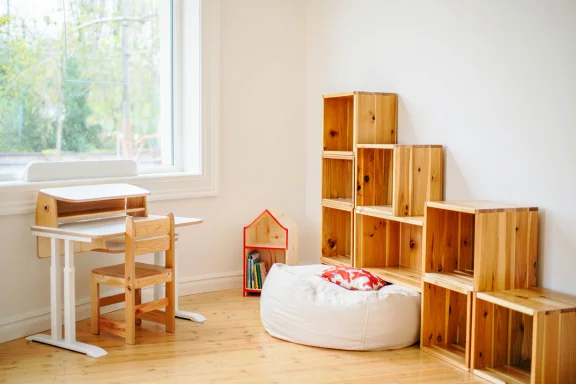
Introduction: Why Flexible Learning Spaces Matter for Canadian Families
Every Canadian parent knows the challenge – one day you’re baby-proofing everything in sight, and before you know it, your little one needs a proper homework station. With our long winters keeping kids indoors for months and housing costs across Canada making every square metre count, creating a learning space that grows with your child isn’t just smart parenting – it’s essential budgeting.
Whether you’re in a downtown Toronto condo or a suburban Calgary home, designing an adaptive learning environment can save you thousands while supporting your child’s development from those first wobbly steps to grade school success.
Understanding Child Development Stages in Learning Spaces
Toddler Stage (18 months – 3 years): Safety First, Exploration Always
At this stage, your little explorer needs spaces that encourage movement while keeping them safer than a hockey player in full gear. Canadian toddlers spend significant time indoors during our winter months, making thoughtful space design crucial.
Key Elements for Toddlers:
- Low, accessible storage at child height (30-60 cm from floor)
- Rounded furniture corners and soft surfaces
- Easy-to-clean materials that can handle everything from finger paints to maple syrup mishaps
- Open floor space for gross motor development
- Natural lighting to combat those short winter days
Preschool Stage (3-5 years): Independence and Creativity Bloom
This is when Canadian kids start developing those critical pre-kindergarten skills. Statistics Canada shows that 54% of children this age participate in organized learning activities, so your space needs to support both structured and free play.
Essential Features:
- Child-sized table and chairs (seat height 25-30 cm)
- Art supply storage within easy reach
- Display areas for showcasing masterpieces
- Quiet corners for early reading development
- Activity zones that can be easily reconfigured
School-Age (6-12 years): Academic Focus Meets Growing Independence
Now we’re talking serious homework time. With Canadian students spending 6-7 hours daily in structured learning, their home space needs to complement classroom education while reflecting their developing personalities.
Must-Have Components:
- Proper ergonomic desk and chair setup
- Adequate task lighting (especially important during our dark winters)
- Organization systems for school supplies and projects
- Technology integration for digital learning tools
- Personal space for displaying achievements and interests
Smart Furniture Solutions That Adapt Over Time
The Magic of Montessori-Inspired Furniture
Taking inspiration from educational approaches gaining popularity across Canada, Montessori principles emphasize child-sized, real furniture that promotes independence. Companies like the French brand featured in your document offer “Tour Montessori” (learning towers) that help kids participate in daily activities safely.
Key Adaptive Furniture Pieces:
Height-Adjustable Desks: Start low for toddler activities, raise as they grow. Look for Canadian retailers offering furniture that adjusts from 45-75 cm in height.
Modular Storage Systems: Cube storage that works for toy bins at age 2 becomes book storage at age 8. IKEA’s KALLAX system remains popular among Canadian families for this versatility.
Transforming Seating: Ottoman storage that doubles as seating, then becomes a footrest for homework time.
Convertible Learning Towers: These allow toddlers to safely reach counter height for cooking activities, then transform into step stools for school-age children.
Zone-Based Design for Maximum Flexibility
Creating Distinct Activity Areas
Even in smaller Canadian homes, you can create defined learning zones using smart design tricks:
The Quiet Zone: Reading nook with comfortable cushions and good lighting. In winter, position near a window for natural light; in summer, create shade for comfortable reading.
The Active Zone: Open floor space for movement-based learning. Consider removable foam tiles that provide cushioning for toddlers but can be stored away as kids grow.
The Creative Zone: Art table with supply storage. Choose surfaces that can handle everything from crayons to science experiments.
The Focus Zone: Desk area for homework and concentrated activities. Ensure this space has minimal distractions and optimal lighting.
Seasonal Adaptations for Canadian Climate
Our unique climate means learning spaces need seasonal flexibility:
Winter Setup: Maximize artificial lighting, create cozy reading areas, ensure adequate ventilation in closed-up spaces.
Summer Adaptation: Take advantage of longer daylight hours, create outdoor learning extensions on porches or patios, ensure good airflow.
Storage Solutions That Scale
Growing Storage Needs
A Canadian child’s storage needs multiply faster than Tim Hortons locations. Plan for this growth:
Toddler Storage: Large bins for chunky toys, low hooks for dress-up clothes, picture labels for easy identification.
School-Age Storage: File organizers for papers, supply caddies for art materials, display shelves for collections and projects.
Transition Strategy: Choose storage that can be repurposed. Today’s toy bins become tomorrow’s sports equipment storage.
Lighting and Environmental Considerations
Maximizing Natural Light
With Canadian winters offering limited daylight, maximizing natural light is crucial for learning and mood. Position primary learning areas near windows when possible, but prepare for seasonal lighting needs.
Artificial Lighting Solutions:
- Task lighting for homework (LED desk lamps with adjustable arms)
- Ambient lighting for reading corners (warm, soft lighting)
- Full-spectrum bulbs to combat winter blues
Air Quality and Comfort
Canadian homes are often sealed tight against the elements, making air quality crucial:
- Ensure proper ventilation in learning areas
- Consider air purifiers, especially during wildfire season
- Maintain comfortable temperatures (20-22°C) for optimal learning
Budget-Friendly Tips for Canadian Families
Making Smart Investments
With the average Canadian family spending $1,200-$1,800 annually on children’s furniture and educational materials, strategic planning pays off:
Buy Quality Basics: Invest in adjustable, solid wood furniture that lasts through multiple children and growth stages.
DIY Adaptations: Simple modifications like adjustable desk legs or removable storage can extend furniture life significantly.
Community Resources: Check local Facebook Marketplace, consignment stores, and community swaps for quality children’s furniture.
Tax Considerations: Some educational furniture and materials may qualify for childcare expense deductions – consult your tax professional.
Technology Integration for Modern Learning
Balancing Screen Time with Traditional Learning
Canadian children average 2-3 hours of screen time daily outside school. Your learning space should accommodate technology while encouraging balanced activities:
Tech-Friendly Features:
- Charging stations for tablets and laptops
- Cable management to keep cords tidy and safe
- Ergonomic positioning for screen use
- Easy transitions between digital and hands-on activities
Safety Throughout the Growth Journey
Age-Appropriate Safety Measures
Safety requirements evolve as children grow:
Toddler Safety: Corner guards, outlet covers, secure furniture to walls, ensure small parts stay out of reach.
School-Age Safety: Proper ergonomics to prevent repetitive strain, adequate lighting to prevent eye strain, stable furniture that won’t tip.
Regional Considerations Across Canada
Urban vs. Rural Solutions
Urban Spaces (Toronto, Vancouver, Montreal): Maximize vertical storage, use multifunctional furniture, consider noise reduction for apartment living.
Suburban/Rural Areas: Take advantage of larger spaces, create dedicated learning rooms, incorporate outdoor learning extensions.
Regional Resources: Many provinces offer educational grants or tax credits that can help offset furniture costs – check with your provincial education ministry.
Conclusion: Building Foundations for Lifelong Learning
Creating a learning space that grows with your child isn’t just about furniture – it’s about fostering independence, creativity, and academic success throughout their developmental journey. By investing in adaptable solutions and thoughtful design, Canadian parents can create environments that support learning from those first curious toddler explorations through successful school-age study habits.
The key is planning for flexibility while maintaining safety and functionality. Remember, the best learning space is one that reflects your child’s changing needs while fitting your family’s lifestyle and budget.
Ready to transform your child’s learning environment? Start with one small area and build from there. Your future self – and your child’s academic success – will thank you for the investment.