Sustainable Parenting: Eco-Friendly Product Choices for Families
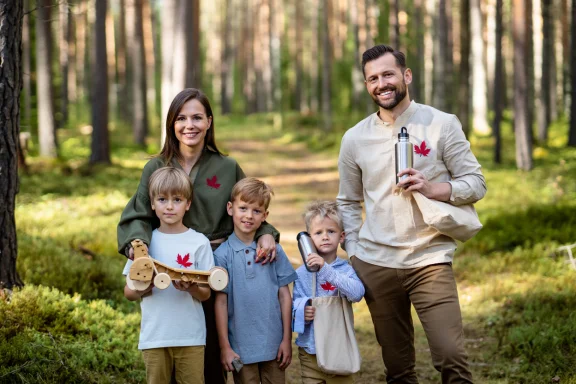
Raising kids in Canada comes with unique opportunities to embrace sustainable living. From our vast wilderness to our commitment to environmental protection, Canadian families are perfectly positioned to make eco-conscious parenting choices that benefit both their children and our beautiful country.
But let’s be real – navigating the world of “green” baby products can feel overwhelming. Between marketing claims and premium price tags, how do you know what’s actually worth it? This guide breaks down practical, affordable ways Canadian parents can make sustainable choices without breaking the bank or compromising on quality.
Why Sustainable Parenting Matters in Canada
The Environmental Reality Check
Statistics Canada reports that the average Canadian generates about 36 tonnes of CO2 annually – one of the highest rates globally. When you add kids to the equation, that number jumps significantly. A typical Canadian child will use approximately 6,000 disposable diapers in their first two years alone, creating roughly 900 kilograms of waste.
The good news? Small changes add up fast. Canadian families who switch to even 50% sustainable products can reduce their environmental footprint by up to 30% while often saving money in the long run.
Health Benefits for Canadian Kids
Our harsh winters and varying air quality across provinces make sustainable product choices even more crucial. Eco-friendly products typically contain fewer chemicals, reducing exposure to toxins during those long indoor months from October to April.
Smart Sustainable Swaps for Canadian Families
Clothing and Textiles
Organic Cotton Over Conventional Canadian-made organic cotton clothing costs about 20-30% more upfront but lasts significantly longer. Brands like Little Yogi (Vancouver) and Mingo & Grace (Toronto) offer quality options that survive multiple kids and countless wash cycles.
Winter Gear That Lasts Instead of cheap seasonal coats, invest in quality Canadian brands like Canada Goose’s kids’ line or Patagonia. These pieces can be passed down and often come with repair services – crucial when dealing with playground adventures and sidewalk salt stains.
Feeding and Nutrition
Glass Over Plastic Mason jars (widely available at Canadian Tire and Walmart) work perfectly for baby food storage and sippy cups. They’re freezer-safe, which is handy when batch-cooking during those busy school nights.
Local and Organic When Possible Focus on the “Dirty Dozen” – products where organic makes the biggest difference. In Canada, prioritize organic for apples, strawberries, and leafy greens, which are heavily treated with pesticides.
Toys and Entertainment
Quality Over Quantity Canadian-made wooden toys from companies like Maple Landmark or Plan Toys last generations. While a $50 wooden truck seems expensive compared to a $5 plastic one, it’ll survive multiple children and maintain its resale value.
Nature-Based Play Take advantage of Canada’s incredible outdoors. A simple nature collection kit costs under $20 and provides endless entertainment while teaching kids about our ecosystem.
Room-by-Room Sustainable Solutions
The Nursery
Furniture Investments Choose solid wood cribs and changing tables that convert to toddler furniture. Canadian-made options from companies like Nest Designs or Babyletto are built for our climate and safety standards.
Natural Sleep Solutions Organic mattresses and bamboo sheets regulate temperature better during hot summer nights and provide chemical-free sleep environments.
The Playroom
Rotation System Instead of constantly buying new toys, create a rotation system. Store half the toys away and swap them monthly. Kids feel like they’re getting new toys without the environmental cost.
DIY and Upcycling Transform cardboard boxes into castles, race tracks, or puppet theaters. Canadian winters provide perfect indoor project time, and kids love the creative process.
The Kitchen
Reusable Food Storage Invest in quality glass containers and silicone bags. They’re freezer-safe (essential for those bulk Costco runs) and eliminate single-use plastics from school lunches.
Water Filtration A quality water filter reduces plastic bottle waste and ensures clean drinking water, especially important in areas with older infrastructure.
Budget-Friendly Strategies for Canadian Families
Take Advantage of Seasonal Sales
Back-to-School Period (August-September) Stock up on sustainable school supplies and clothing during tax-free weekends in participating provinces.
Boxing Day Deals Many eco-friendly Canadian retailers offer significant discounts on quality items that make perfect gifts or investments for the coming year.
Community Resources
Toy Libraries Cities like Vancouver, Toronto, and Calgary have toy lending libraries where families can borrow high-quality toys instead of purchasing them.
Clothing Swaps Organize neighborhood clothing swaps or join local Facebook groups. Kids outgrow clothes so quickly that many items are barely worn.
Government Incentives
Canada Child Benefit Use CCB payments strategically to invest in quality, sustainable products that last longer and provide better value.
Provincial Rebates Some provinces offer rebates for energy-efficient appliances or eco-friendly home improvements that benefit families.
Making It Work Long-Term
Start Small and Build Gradually
You don’t need to revolutionize everything overnight. Pick one area – maybe switching to cloth diapers or buying organic produce – and master that before moving on.
Track Your Savings
Keep a simple spreadsheet of money saved through sustainable choices. That $200 wooden high chair that lasts through three kids saves hundreds compared to replacing cheap alternatives.
Involve the Kids
Canadian kids are already environmentally conscious thanks to school programs and cultural values. Let them help choose sustainable options and explain why these choices matter for their future.
The Canadian Advantage in Sustainable Parenting
We’re fortunate to live in a country with strong environmental regulations, diverse local suppliers, and a culture that values long-term thinking. From coast to coast to coast, Canadian families have access to incredible resources for sustainable living.
Whether you’re dealing with Halifax humidity, Prairie winters, or Vancouver rain, sustainable parenting choices adapt to our diverse climate while building healthier futures for our kids.
The key is starting where you are, using what you have, and making gradual improvements. Every small choice contributes to raising environmentally conscious kids who’ll continue protecting the Canada we all love.
Ready to start your sustainable parenting journey? Begin with one simple swap this week – maybe replacing plastic water bottles with a quality stainless steel option, or trying cloth diapers part-time. Small steps lead to big changes, and your kids (and their kids) will thank you for it.