Creating a Calm-Down Corner: Managing Toddler Emotions
Introduction: When Little Feelings Get Big
Picture this: it’s -20°C in Winnipeg, you’re trapped inside with a cranky toddler who just had a meltdown because their favourite mittens are wet, and you’re wondering if there’s a better way to handle these daily emotional hurricanes. You’re not alone, eh – and there’s definitely a solution that doesn’t involve hiding in the bathroom with a Tim Hortons coffee.
Creating a calm-down corner is like having a hockey timeout for emotions – a designated space where your little one can learn to regulate their big feelings before they spiral into full-blown tantrums. With Canadian winters keeping families indoors for months and summer cabin fever hitting just as hard, having an effective emotional regulation space isn’t just helpful – it’s essential for family sanity.
What Exactly Is a Calm-Down Corner?
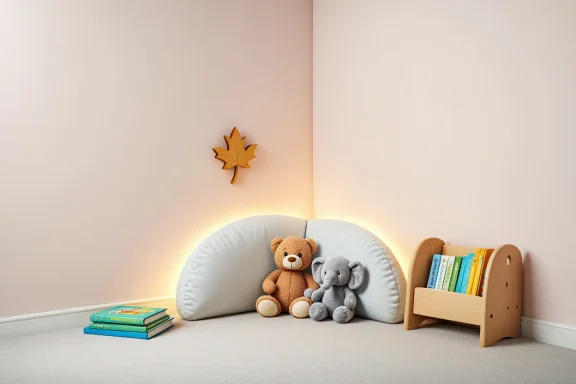
A calm-down corner isn’t a punishment space or a “time-out” zone – think of it more like a cozy emotional first-aid station. It’s a dedicated area in your home where toddlers can retreat when they’re overwhelmed, frustrated, or experiencing those big emotions that their developing brains can’t quite process yet.
Unlike traditional discipline methods, calm-down corners focus on teaching coping skills rather than punishment. According to child development experts at SickKids Hospital in Toronto, these spaces help children develop emotional intelligence and self-regulation skills that’ll serve them well into adulthood.
The Science Behind the Space
Research from Canadian universities shows that toddlers’ brains are still developing the connections needed for emotional regulation. When a child has a meltdown, their brain’s “alarm system” takes over, making logical thinking nearly impossible. A calm-down corner provides a safe space for their nervous system to reset.
Designing Your Calm-Down Corner: Canadian Home Edition
Location, Location, Location
Choose the Right Spot:
- Pick a quiet corner away from high-traffic areas
- Avoid spaces near the TV or kitchen chaos
- Consider a spot with natural light (precious during those long Canadian winters)
- Make sure it’s easily accessible but not in the middle of family activities
Space Considerations for Canadian Homes:
- Work with what you’ve got – even apartments can accommodate a corner setup
- Consider seasonal changes: a spot that gets morning sun in winter is golden
- If you’re in a smaller space like many Toronto condos, a portable calm-down kit works too
Essential Elements That Actually Work
Comfort Items:
- Soft blankets or cushions (washable is key with toddlers)
- Stuffed animals or comfort objects
- A small tent or canopy for that “cozy cave” feeling
Sensory Tools:
- Fidget toys appropriate for toddler safety
- Sensory bottles filled with glitter, rice, or water beads
- Textured items like stress balls or fabric squares
- Noise-cancelling headphones for overstimulated kids
Emotional Regulation Tools:
- Picture cards showing different emotions and faces
- A breathing buddy (stuffed animal that rises and falls with deep breaths)
- Simple books about feelings
- A “feelings thermometer” to help identify emotion intensity
Canadian-Specific Considerations
Seasonal Adjustments
Winter Setup (October to April, let’s be real):
- Add warm lighting to combat seasonal mood dips
- Include vitamin D lamp if recommended by your pediatrician
- Extra cozy textures since everyone’s touch-starved by February
Summer Modifications:
- Lighter fabrics and breathable materials
- Consider an outdoor calm-down space for backyard time
- Portable options for cottage trips or camping adventures
Budget-Friendly Canadian Solutions
Let’s talk dollars and sense – you don’t need to spend your child tax benefit cheque on fancy equipment:
DIY Options That Work:
- Mason jars filled with rice and essential oils (lavender works wonders)
- Homemade sensory bottles using recycled containers
- Photo books of family members for comfort
- Playlist of calming Canadian kids’ music (Charlotte Diamond, anyone?)
Dollar Store Finds:
- Small blankets and pillows
- Plastic containers for organization
- Art supplies for emotion drawing
- Timers for breathing exercises
How to Introduce and Use the Space
Setting Up for Success
Implementation Strategy:
- Introduce the corner during calm moments, not during meltdowns
- Explain it’s a “special place for big feelings”
- Practice using it together when emotions are neutral
- Model using the space yourself when you’re stressed
Age-Appropriate Expectations:
- 18-24 months: Focus on comfort items and your presence
- 2-3 years: Introduce simple breathing techniques and emotion naming
- 3-4 years: Add more complex tools and independent use
Common Canadian Parenting Challenges
“But We Don’t Have Space!”
- Toronto apartment dwellers: Use a large basket that can be moved around
- Create a portable kit for multi-level homes
- Even a designated cushion can work as a calm-down spot
“My Toddler Won’t Stay There”
- Start with you sitting together in the space
- Don’t force it – coercion defeats the purpose
- Make it appealing, not a place they’re sent to
Practical Implementation Tips
Daily Integration
Making It Part of Your Routine:
- Use the corner preventively when you notice early stress signals
- Visit the space together during story time
- Let them help organize and maintain the area
- Praise using the space appropriately
Consistency Across Caregivers:
- Ensure daycare providers understand the concept
- Train grandparents and babysitters on the approach
- Keep communication open with your child’s Early Childhood Educator
Troubleshooting Common Issues
When Kids Refuse the Space:
- Check if it feels punitive rather than supportive
- Ensure the location isn’t too isolated or scary
- Add more appealing comfort items
- Consider if the child needs more connection, not space
When Siblings Get Jealous:
- Create individual spaces or take turns
- Explain that everyone gets help with big feelings
- Consider a family calm-down area for group use
Growing with Your Child
Evolving the Space
As your toddler develops, their calm-down corner should evolve too:
Preschool Additions (3-5 years):
- Emotion regulation charts
- Simple mindfulness activities
- Art supplies for expression
- Beginning meditation tools
School-Age Modifications:
- Journals for older kids
- More sophisticated sensory tools
- Problem-solving prompt cards
- Music or audiobooks
Red Flags: When to Seek Professional Help
While calm-down corners are incredibly effective for typical toddler emotional development, some situations warrant professional guidance:
- Extreme aggression that doesn’t improve over time
- Self-harm behaviors
- Complete inability to self-regulate after age 4
- Regression in emotional development
Canadian resources include your family doctor, public health nurses, and provincial early intervention services. Many provinces offer free parenting support programs through public health.
The Long-Term Benefits
Creating an effective calm-down corner teaches children invaluable life skills:
- Emotional awareness and vocabulary
- Self-soothing techniques
- Problem-solving abilities
- Respect for personal space and boundaries
- Independence in managing difficult emotions
Research from the University of British Columbia shows that children who learn emotional regulation skills early demonstrate better academic performance, stronger friendships, and lower anxiety levels throughout childhood.
Conclusion: Your Family’s Emotional Home Base
Building a calm-down corner isn’t about creating perfect children who never have meltdowns – it’s about giving your family tools to navigate the inevitable emotional storms of early childhood with more grace and less stress.
Remember, you’re not just managing today’s tantrum; you’re teaching lifelong emotional intelligence skills that will serve your child through everything from playground conflicts to teenage drama to adult workplace challenges.
The best calm-down corner is one that fits your family’s unique needs, space, and budget. Start small, be patient with the process, and don’t be afraid to adjust as you learn what works for your child.
Ready to transform your family’s approach to big emotions? Start by designating a corner in your home this week. Involve your toddler in choosing one comfort item and one sensory tool. Remember, consistency beats perfection every time – even a simple blanket in a quiet corner can become a powerful tool for emotional regulation.
Your future self (and your toddler’s future teachers) will thank you for investing in these essential life skills now. After all, we could all use a little more calm in our lives, especially during those long Canadian winters when everyone’s cooped up together.