Understanding Amber Teething Jewelry: Safety and Benefits
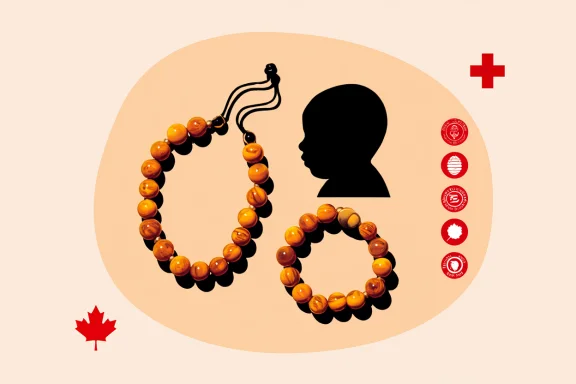
Teething can turn your peaceful little one into a fussy bundle of discomfort faster than a prairie thunderstorm. As Canadian parents search for natural relief options, amber teething jewelry has gained popularity from Vancouver Island to the Maritimes. But before you hop on this trend, let’s dive into what the science actually says about these golden beauties.
What is Amber Teething Jewelry?
Baltic amber teething jewelry consists of necklaces, bracelets, or anklets made from fossilized tree resin that’s millions of years old. The theory goes that when amber touches warm skin, it releases succinic acid—a natural compound that supposedly provides pain relief and calming effects.
These products have become increasingly popular at Canadian baby stores and online retailers, with many parents swearing by their effectiveness. But popularity doesn’t equal safety, especially when it comes to our little ones.
The Science Behind Amber’s Claims
Here’s where things get as murky as a Manitoba spring thaw. While Baltic amber does contain succinic acid, scientific evidence supporting its pain-relieving properties through skin contact is limited.
What research shows:
- Succinic acid exists in amber, typically 3-8% by weight
- Laboratory studies suggest succinic acid may have some anti-inflammatory properties
- However, no peer-reviewed studies prove that wearing amber jewelry releases meaningful amounts of succinic acid into the bloodstream
Health Canada and the Canadian Paediatric Society haven’t endorsed amber teething jewelry as a medical treatment. The lack of clinical trials means we’re relying heavily on anecdotal evidence from parents—which, while valuable, isn’t the same as scientific proof.
Safety Concerns Every Canadian Parent Should Know
The biggest concern isn’t whether amber works—it’s whether it’s safe. Jewelry on babies presents several serious risks that override any potential benefits.
Choking and Strangulation Hazards
The reality check: Small beads can break off and become choking hazards. Necklaces can get caught on cribs, car seats, or playground equipment, creating strangulation risks.
Canadian safety standards: While Health Canada regulates children’s jewelry for lead and other toxic materials, amber teething jewelry often falls into a grey area between jewelry and health products.
Supervision Requirements
If parents choose to use amber jewelry despite safety concerns, constant supervision is non-negotiable. This means:
- Never leaving amber jewelry on during sleep (naps or nighttime)
- Removing jewelry during car rides
- Taking it off during any unsupervised play
- Regular inspection for loose or broken beads
Safer Teething Alternatives That Actually Work
Canadian pediatricians consistently recommend proven teething remedies over amber jewelry:
Cold Therapy Options
- Refrigerated teething rings (not frozen—too hard for tender gums)
- Cold washcloths for supervised chewing
- Chilled fruit in mesh feeders for older babies
Pressure and Massage
- Clean finger massage on gums
- Textured teething toys
- Silicone teething mitts for younger babies
Over-the-Counter Options
- Infant acetaminophen or ibuprofen (following pediatrician guidance)
- Avoid topical numbing gels—Health Canada warns against benzocaine products for children under two
Making an Informed Decision
If you’re considering amber teething jewelry, have an honest conversation with your child’s pediatrician. They can provide personalized advice based on your baby’s specific needs and development stage.
Questions to ask yourself:
- Are you comfortable with the safety risks?
- Can you commit to constant supervision?
- Have you tried proven alternatives first?
- What would happen if the jewelry broke during use?
Regional Considerations Across Canada
Availability and regulations can vary by province. British Columbia and Ontario have stricter toy safety enforcement, while rural areas might have limited access to pediatric guidance. Always purchase from reputable Canadian retailers who can provide proper documentation about their products.
The Bottom Line for Canadian Families
While many parents report positive experiences with amber teething jewelry, the lack of scientific evidence combined with real safety risks makes this a questionable choice for most families.
The Canadian Paediatric Society emphasizes that safe, proven teething remedies should be your first line of defense. Save your money for teething toys that won’t keep you awake worrying about safety hazards.
Your next steps: Talk to your pediatrician about evidence-based teething relief options. Focus on safe, proven methods that help your little one without introducing unnecessary risks. After all, peace of mind is worth more than any trendy accessory.