Creating Sensory Play Experiences for Toddlers at Home
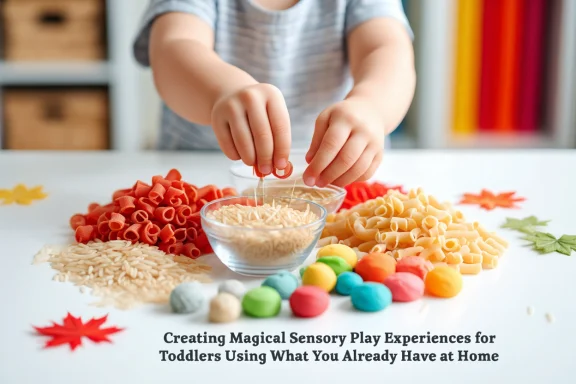
Winter’s got your little one bouncing off the walls? Whether you’re snowed in during a Prairie blizzard or just looking for indoor activities during those long Canadian winters, sensory play is your secret weapon for keeping toddlers engaged, happy, and learning. The best part? You don’t need to break the bank or make a trip to Toys”R”Us – most of these activities use stuff you’ve already got kicking around the house.
Sensory play isn’t just about keeping the kids busy (though that’s a nice bonus). According to research from the Hospital for Sick Children in Toronto, sensory experiences are crucial for brain development in children under five. They help build neural pathways, improve fine motor skills, and support language development. Plus, they’re a lifesaver when you’re stuck indoors for days on end.
What Makes Sensory Play So Important for Canadian Kids?
Living in Canada means our little ones spend a lot of time indoors – sometimes up to six months of the year depending on where you call home. During these indoor stretches, sensory play becomes even more critical for development. It replaces the natural sensory experiences kids would get from outdoor play like feeling different textures in nature, hearing various sounds, and experiencing temperature changes.
Research from the University of British Columbia shows that children who engage in regular sensory play demonstrate better problem-solving skills and emotional regulation. When your toddler is melting down because they can’t go to the playground (again), sensory activities can be the perfect reset button.
DIY Sensory Bins: The Swiss Army Knife of Toddler Activities
Rice and Bean Sensory Bins
Grab that bag of rice sitting in your pantry and transform it into hours of entertainment. Pour about 2 cups into a large plastic container – those Rubbermaid tubs work perfectly. Add measuring cups, spoons, and small toys for scooping and hiding games.
Pro tip: Use different types of rice (white, brown, wild) or dried beans for varied textures. Just keep an eye on younger toddlers who might still put everything in their mouths.
Pasta Play Paradise
Uncooked pasta isn’t just for dinner anymore. Different shapes create unique sensory experiences:
- Penne tubes for threading and dropping
- Shell pasta for scooping and transferring
- Spaghetti for breaking and sorting
Add a few drops of food coloring and let them dry for colorful variations that’ll keep your little one engaged longer than a Leafs power play.
Kitchen Chemistry: Edible Sensory Fun
Jello Sensory Play
Mix up some sugar-free Jello (way less sticky cleanup) and let your toddler squish, squeeze, and explore. Use different flavors for various colors and scents. The best part? If they sneak a taste, no worries.
Pudding Paint
Instant pudding mixed slightly thicker than normal makes fantastic finger paint. Spread it on a high chair tray or tape paper to a table. Your toddler gets to create masterpieces while exploring textures, and cleanup is easier than explaining why the Canucks didn’t make the playoffs.
Water Play Without the Flood
Sponge Transfer Station
Fill one bowl with water and place an empty bowl beside it. Give your toddler different sized sponges to transfer water between bowls. It’s surprisingly engaging and helps develop hand-eye coordination.
Ice Cube Excavation
Freeze small toys in ice cubes (use muffin tins for larger cubes). Give your toddler warm water in a squeeze bottle to “excavate” the toys. Perfect for hot summer days or when you want to cool things down.
Seasonal Sensory Adventures
Winter Wonder Bins
During those long Canadian winters, bring the outdoors in:
- Fill a bin with cotton balls for “snow” play
- Add plastic winter animals for imaginative play
- Include small scoops and containers for building “snowmen”
Spring Cleaning Sensory Play
Turn spring cleaning into play time:
- Provide child-safe cleaning supplies (spray bottles with water)
- Let them “clean” toys in sudsy water
- Sort items by color, size, or type
Store-Bought Additions That Won’t Break the Budget
While DIY is great, sometimes a few purchased items can level up your sensory game:
Play Dough Alternatives
- Kinetic sand (often on sale at Canadian Tire)
- Cloud dough (flour + baby oil)
- Water beads (available at dollar stores)
Sensory Tools
- Tweezers for fine motor skills
- Different textured balls
- Measuring cups and spoons in various sizes
Safety First, Eh?
Canadian parents are nothing if not safety-conscious. Here are the non-negotiables:
- Always supervise sensory play, especially with small items
- Know your child’s allergies before introducing new materials
- Keep activities age-appropriate (no small beads for kids under 3)
- Have cleanup supplies ready – seriously, have them READY
Making Sensory Play Work for Your Schedule
Quick 15-Minute Activities Perfect for those hectic weekday mornings or before dinner prep:
- Texture bags (zip-lock bags filled with hair gel and small items)
- Sensory bottles (water bottles with rice, beads, or glitter)
- Play dough with cookie cutters
Extended Play Sessions For weekend mornings or when you need more time:
- Large sensory bins with multiple elements
- Water table activities
- Elaborate setups with multiple stations
Cleanup Strategies That Actually Work
Let’s be real – the mess can be overwhelming. Here’s how Canadian parents are tackling cleanup:
Prevention is Key
- Use shower curtains or old bedsheets as play mats
- Set up sensory play in easy-to-clean areas (kitchen, bathroom)
- Have a dedicated “sensory play” outfit that you don’t mind getting messy
Quick Cleanup Tools
- Hand vacuum for rice and small items
- Squeegee for water activities
- Designated bins for easy storage
Building Sensory Play Into Your Routine
The key to successful sensory play isn’t elaborate setups – it’s consistency. Even 10 minutes of sensory exploration can make a difference in your toddler’s day and development.
Consider creating a weekly sensory schedule:
- Monday: Water play
- Tuesday: Texture exploration
- Wednesday: DIY sensory bins
- Thursday: Kitchen chemistry
- Friday: Free choice from the sensory toy rotation
Regional Considerations Across Canada
Living in different parts of Canada means adapting activities to your environment:
Prairie Provinces: Take advantage of wide-open indoor spaces for larger sensory setups Atlantic Canada: Use beach materials (shells, sand) when available Central Canada: Urban apartments might need more compact, contained activities Northern Territories: Focus on indoor activities during extreme weather periods
Sensory play isn’t just about entertainment – it’s about giving your Canadian toddler the developmental experiences they need to thrive, regardless of the weather outside. Start with what you have at home, build slowly, and watch as your little one discovers the world through their senses.
The beauty of sensory play is that it grows with your child. What starts as simple rice play for a 12-month-old becomes complex sorting and imaginative play for a three-year-old. You’re not just keeping them busy – you’re laying the foundation for learning that’ll serve them well when they start school.
Ready to transform your home into a sensory wonderland? Start with one simple activity this week. Your future self (and your toddler’s developing brain) will thank you. And hey, if it buys you 20 minutes to finish your coffee while it’s still warm, that’s just a bonus, eh?