Wooden Toys vs Plastic Toys: Environmental and Developmental Impact
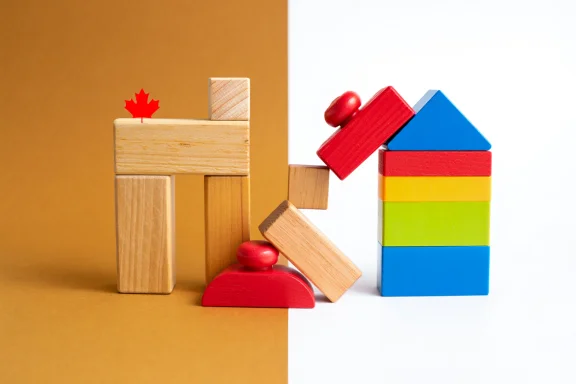
Walk into any Canadian toy store from Vancouver to Halifax, and you’ll face the same dilemma: wooden toys or plastic ones? With climate change concerns growing across our provinces and parents increasingly focused on sustainable living, this choice has become more complex than deciding between hockey or figure skating lessons.
Canadian families spend over $2.8 billion annually on toys, according to Statistics Canada. But are we making the right choices for our kids and our planet? Let’s break down the real differences between wooden and plastic toys, examining everything from environmental impact to how they affect your child’s development.
Environmental Impact: The True Cost of Play
Wooden Toys: Canada’s Natural Advantage
Canada’s abundant forests give us a unique perspective on wooden toys. When sourced responsibly from certified Canadian forests, wooden toys have a significantly lower carbon footprint than their plastic counterparts.
Key Environmental Benefits:
- Biodegradable materials that return to the earth
- Lower manufacturing emissions (especially when made locally)
- Support for Canadian forestry jobs and sustainable practices
- Renewable resource when harvested responsibly
The Canadian Forest Service reports that sustainably managed forests actually absorb more CO2 than old-growth forests, making responsible wooden toy production a climate-positive choice.
Plastic Toys: The Harsh Reality
Most plastic toys sold in Canada are manufactured overseas, often from petroleum-based materials. The environmental costs add up quickly:
- Transportation emissions: Shipping from Asia to Canadian ports
- Non-biodegradable waste: Takes 450+ years to decompose
- Chemical concerns: BPA, phthalates, and other additives
- Microplastics: Breaking down into particles that enter our food chain
Environment and Climate Change Canada estimates that Canadians discard 3.3 million tonnes of plastic waste annually, with toys contributing significantly to this problem.
Durability and Value: What Lasts Through Canadian Winters
Built to Last: The Wooden Advantage
Anyone who’s survived a Canadian winter knows the importance of things that last. Wooden toys consistently outperform plastic in longevity:
- Multi-generational use: Quality wooden toys often pass from siblings to cousins
- Weather resistance: Less likely to crack in cold temperatures
- Repairability: Can be sanded, refinished, or fixed easily
- Timeless appeal: Classic designs never go out of style
Plastic Durability: The Reality Check
While some high-quality plastic toys last years, most don’t handle Canadian climate extremes well:
- Brittleness in cold weather (ask any parent who’s found broken outdoor toys after winter)
- Fading from UV exposure during those precious summer months
- Difficulty repairing when broken
- Planned obsolescence in many electronic toys
Safety Considerations for Canadian Families
Wooden Toy Safety
Health Canada has strict regulations for toy safety, but wooden toys often exceed these standards naturally:
Advantages:
- No toxic chemicals when properly finished
- Larger pieces reduce choking hazards
- Natural antibacterial properties in some woods
- No electrical components to malfunction
Considerations:
- Choose toys with non-toxic finishes
- Inspect regularly for splinters or damage
- Buy from reputable Canadian or certified international manufacturers
Plastic Toy Safety
Modern plastic toys must meet rigorous Health Canada standards, but concerns remain:
Potential Issues:
- Chemical leaching, especially when heated
- Small parts breaking off
- Electronic components and battery safety
- Recalls due to safety issues (check Health Canada’s recalls database regularly)
Developmental Impact: How Materials Shape Growing Minds
Wooden Toys and Child Development
Canadian early childhood educators consistently praise wooden toys for their developmental benefits:
Cognitive Development:
- Open-ended play encourages creativity
- Natural textures stimulate sensory development
- Problem-solving skills through construction play
- Imagination flourishes without electronic distractions
Motor Skills:
- Different weights and textures improve fine motor control
- Stacking and balancing develop hand-eye coordination
- Natural variations in wood grain provide tactile learning
Plastic Toys: The Modern Reality
High-quality plastic toys offer unique benefits:
- Bright colours aid visual development
- Lightweight options for younger children
- Electronic features can teach cause-and-effect
- Themed play sets encourage storytelling
However, research from the University of Toronto suggests that children play longer and more creatively with simple wooden toys compared to flashy plastic alternatives.
Cost Analysis: The Canadian Perspective
Initial Investment vs. Long-term Value
Wooden Toys:
- Higher upfront cost (typically 2-3x plastic equivalents)
- Better value over time due to durability
- Resale value remains high
- Potential heirloom status
Plastic Toys:
- Lower initial purchase price
- Frequent replacement needed
- Limited resale value
- Higher long-term cost per year of use
A typical Canadian family might spend $150 on a quality wooden play kitchen that lasts 10+ years, versus $50 every 2-3 years replacing plastic alternatives.
Making the Right Choice for Your Canadian Family
When to Choose Wooden Toys
- Building blocks and construction sets
- Pretend play items (kitchens, workbenches)
- Musical instruments
- Puzzles and educational toys
- Outdoor play equipment
When Plastic Makes Sense
- Bath toys and water play
- Art supplies and craft materials
- Some electronic learning toys
- Outdoor toys exposed to harsh weather
- Toys for very young children (lighter weight)
Supporting Canadian Toy Makers
Several Canadian companies create exceptional wooden toys:
- Plan Toys Canada: Sustainable practices and innovative designs
- Local artisans: Check provincial craft fairs and farmers’ markets
- Educational toy companies: Many Canadian retailers specialize in quality wooden options
Supporting local makers reduces transportation emissions and keeps money in Canadian communities.
Practical Tips for Canadian Parents
Shopping Smart
- Check certifications: Look for FSC (Forest Stewardship Council) labels on wooden toys
- Read reviews: Other Canadian parents share valuable insights
- Buy quality: Better to have fewer, high-quality toys than many cheap ones
- Consider climate: Choose materials that handle your local weather conditions
Maintenance and Care
- Store wooden toys in dry areas during humid summer months
- Clean with mild soap and water, dry thoroughly
- Apply food-safe oil annually to maintain wood finish
- Inspect regularly for wear and damage
The Future of Play in Canada
As climate consciousness grows and parents prioritize child development over flashy features, wooden toys are experiencing a renaissance. Canadian retailers report 25% year-over-year growth in wooden toy sales, with millennials leading the charge.
The trend toward screen-free childhood activities, combined with growing environmental awareness, suggests wooden toys will continue gaining market share in Canadian households.
Conclusion
The choice between wooden and plastic toys isn’t black and white, but for Canadian families prioritizing sustainability, durability, and child development, wooden toys offer compelling advantages. They cost more upfront but provide better value over time, support environmental goals, and encourage the kind of open-ended play that builds creative, confident kids.
Consider your family’s values, budget, and lifestyle when making toy choices. A balanced approach might include quality wooden toys for core play experiences, supplemented by carefully chosen plastic items for specific needs.
Take Action: Visit your local Canadian toy retailer this weekend and compare wooden and plastic options hands-on. Feel the difference, consider the longevity, and make choices that align with your family’s values and Canada’s environmental future.