Quality Over Quantity: Curating a Minimalist Toy Collection
The Great Canadian Toy Dilemma
Walk into any Canadian home after Christmas morning, and you’ll likely find a scene that looks like a Toys”R”Us exploded in the living room. From coast to coast to coast, parents are wrestling with the same challenge: how do we give our kids amazing play experiences without turning our homes into storage units?
The average Canadian household spends over $500 annually on toys, according to Statistics Canada data. Yet research from the University of Toledo shows that children actually play more creatively and for longer periods when they have fewer toys available. It’s time we had an honest chat about building toy collections that work for our kids, our homes, and our wallets.
Why Less Really Is More in the Great White North
Space Constraints Are Real, Eh
Canadian homes, particularly in urban centers like Toronto, Vancouver, and Montreal, aren’t exactly known for their sprawling playrooms. The average Canadian home is 1,948 square feet – significantly smaller than our southern neighbors. Every square foot counts, and that includes play space.
When toys take over your living space, nobody wins. Kids can’t find what they’re looking for, parents spend more time cleaning than connecting, and the good stuff gets buried under piles of plastic that’ll outlast us all.
The Science Behind Selective Play
Child development experts at the University of British Columbia have found that children with access to fewer toys show:
- Increased focus and attention spans – up to 40% longer play sessions
- Enhanced creativity – more imaginative scenarios and storytelling
- Better problem-solving skills – they work harder to make toys multi-functional
- Improved social skills – they learn to share and negotiate more effectively
The Canadian Parent’s Guide to Toy Curation
Start with the “Hockey Test”
Just like building a solid hockey team, you want players (toys) that can perform multiple roles. Ask yourself: “Can this toy work in at least three different ways?”
Winners:
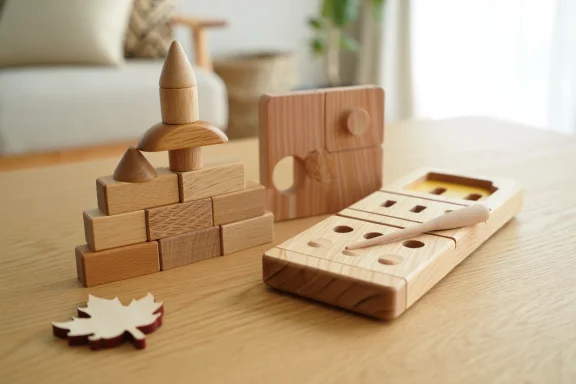
- Wooden blocks (building, sorting, pretend play)
- Art supplies (creativity, fine motor skills, self-expression)
- Dress-up clothes (imagination, role-play, confidence building)
Bench warmers:
- Single-purpose electronic toys
- Toys that require specific accessories to function
- Anything that encourages passive consumption over active play
The “Four Seasons” Rotation System
Take a page from our Canadian weather patterns and rotate toys seasonally. Keep 25% of toys accessible at any time, storing the rest like winter tires in the garage.
Benefits of rotation:
- Toys feel “new” when they reappear
- Reduces decision fatigue for kids
- Makes cleanup manageable
- Extends the life of quality toys
Quality Markers That Matter
When investing in toys (because that’s what we’re doing – investing), look for these Canadian-friendly features:
Material Standards:
- Health Canada approved safety certifications
- Natural materials that age well (wood, cotton, wool)
- Durability to survive prairie winters and humid Maritime summers
Educational Value:
- Supports multiple developmental areas
- Grows with the child (ages 2-8 vs. ages 3-4)
- Encourages open-ended play rather than prescribed outcomes
Building Your Core Collection
The Essential Seven Categories
Based on child development research from Canadian universities and feedback from early childhood educators across the provinces, focus on these seven core areas:
- Construction Toys (blocks, magnetic tiles, Lego)
- Art Supplies (crayons, paper, playdough)
- Imaginative Play (dolls, action figures, dress-up)
- Books (board books to chapter books)
- Physical Play (balls, jump ropes, outdoor gear)
- Musical Instruments (simple drums, xylophones)
- Puzzles and Games (age-appropriate challenges)
The 20-Toy Challenge
Try this: count all the toys currently accessible to your child. If it’s over 20, you’re likely in overwhelm territory. Gradually reduce to 15-20 high-quality options and watch play patterns change.
Pro tip from Manitoba mom of three: “We went from 60+ toys to 18 core items. My kids now play for hours instead of minutes, and I’m not constantly picking up random pieces.”
Seasonal Buying Strategies for Canadian Families
Boxing Day and Back-to-School Sales
Time your purchases around major Canadian sale periods:
- Boxing Day – perfect for stocking up on art supplies and books
- Back-to-school season – great deals on educational toys and craft supplies
- Spring clearance – outdoor toys at rock-bottom prices
Supporting Local Canadian Toy Makers
Consider investing in toys from Canadian companies like:
- Melissa & Doug (puzzles and wooden toys)
- Hape (sustainable wooden toys)
- Local artisans at farmer’s markets and craft fairs
Not only are you supporting the Canadian economy, but locally-made toys often reflect our values around sustainability and quality craftsmanship.
Making the Transition: From Chaos to Curated
The Great Toy Audit
Set aside a weekend (preferably when the kids are at the grandparents’) and sort everything into four piles:
- Keep – high-quality, frequently used
- Rotate – good toys used occasionally
- Donate – outgrown but still functional
- Toss – broken or unsafe items
Getting Kids on Board
Frame the transition as “making room for better play” rather than “taking away toys.” Involve kids aged 4+ in the decision-making process. They’re often surprisingly good at identifying their true favorites.
The Long-Term Payoff
Families who’ve made the switch to minimalist toy collections report:
- Less time cleaning – 30-40% reduction in pickup time
- More creative play – kids invent new games with existing toys
- Better care of belongings – fewer toys means more appreciation
- Reduced purchasing pressure – easier to say no to impulse buys
Your Next Steps Toward Toy Minimalism
Ready to transform your family’s relationship with toys? Start small and build momentum:
- This week: Remove half the toys from your main play area and store them
- Next week: Observe how your children’s play patterns change
- This month: Conduct your first seasonal rotation
- Moving forward: Apply the “one in, one out” rule for new additions
Remember, the goal isn’t to deprive our kids of joy – it’s to create space for deeper, more meaningful play experiences. In a country that values both natural beauty and practical solutions, a thoughtfully curated toy collection reflects the best of Canadian family values.
Your future self (and your vacuum cleaner) will thank you for making the switch to quality over quantity. After all, the best childhood memories aren’t made from having the most toys – they’re made from having the time and space to truly play.